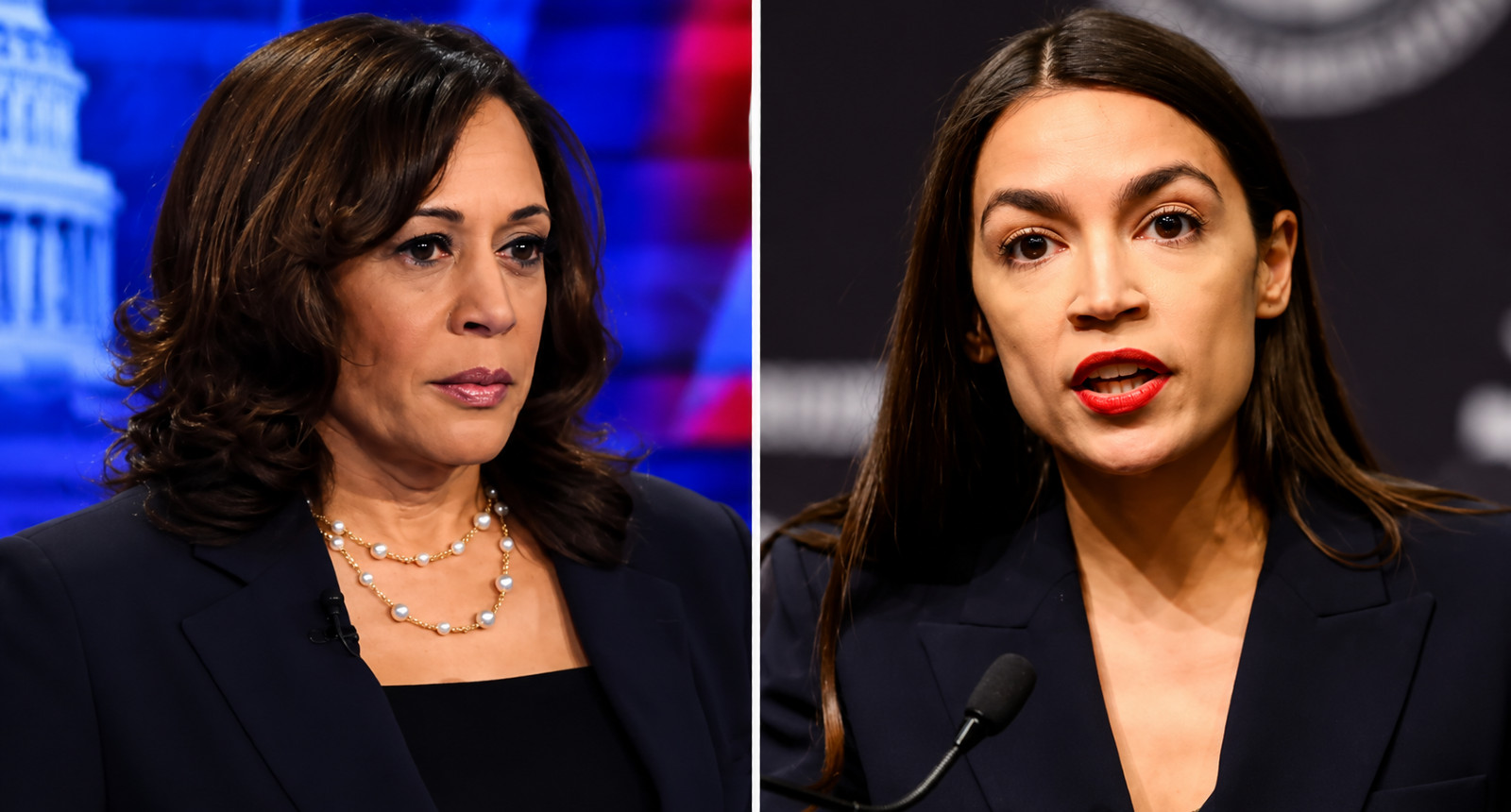
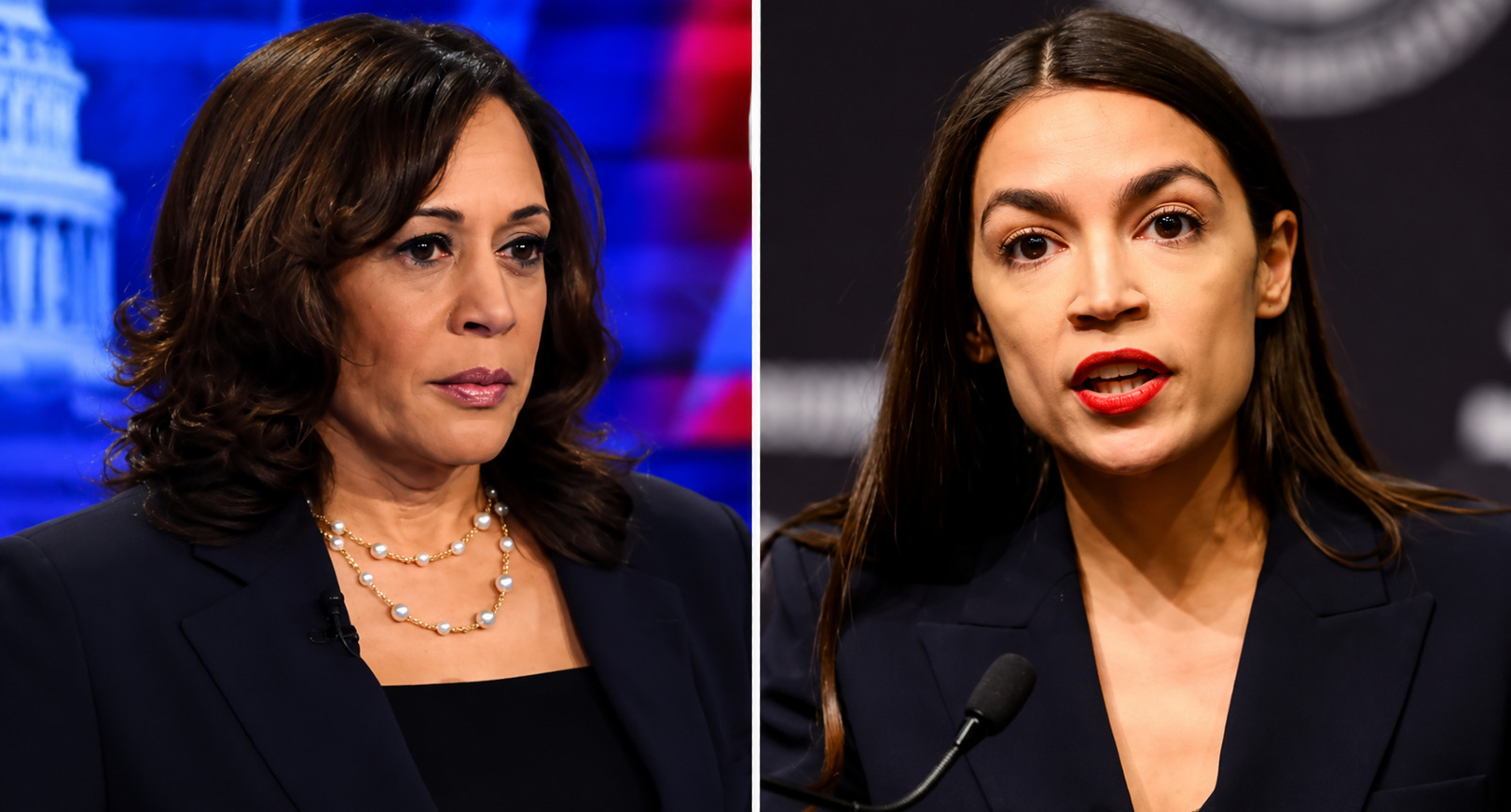
Speculation surrounding the emerging 2028 Democratic presidential primary intensified significantly this week following pointed remarks from Representative Alexandria Ocasio-Cortez, who indicated that her future electoral ambitions will not be dictated by traditional party seniority or institutional deference toward established national figures.
While stopping short of a formal campaign launch, the 36-year-old New York progressive made it clear that her decision-making process regarding a potential White House bid, a Senate challenge, or continued service in the House of Representatives remains entirely independent of political calculations involving prospective opponents such as former Vice President Kamala Harris.
In a wide-ranging interview addressing her political trajectory, Representative Ocasio-Cortez addressed the prospect of entering a crowded primary field and navigating internal party hierarchies.
“I don’t think that my decisions would come down to deference.”
Representative Alexandria Ocasio-Cortez stated when questioned regarding the factors that would influence her 2028 calculus.
Ocasio-Cortez, who achieved historic national prominence after defeating an entrenched congressional incumbent in 2018 to become the youngest woman ever elected to the lower chamber, emphasized that she has deferred definitive electoral announcements until the conclusion of the upcoming November midterm elections. Her potential political pathways remain broad, encompassing a defense of her current House seat, a statewide senatorial bid against veteran Democratic leadership, or a high-stakes presidential campaign.
A nationwide presidential bid would present profound professional risks for the progressive leader, given that running for executive office would require relinquishing her congressional seat under existing electoral statutes.
“It’s very all or nothing. If I were to run in this cycle, and not win, I would be done.”
Ocasio-Cortez remarked while evaluating the high-risk nature of a potential national campaign.
Despite the career-ending implications of an unsuccessful presidential run, Ocasio-Cortez noted that the permanent risk profile of executive politics does not automatically preclude her candidacy, provided the overarching political moment justifies the gamble.
“That, in and of itself, does not exclude the decision. But it has to make it worth it.”
She added, highlighting the calculated approach guiding her strategic deliberations.
Furthermore, the New York lawmaker underscored the unpredictable nature of political timing, suggesting that the 2028 election cycle may present a rare structural opening that will not necessarily recur in subsequent decades.
“There’s an argument that some make that this is a very unique political window and, oftentimes in politics, you do only get one shot. Life doesn’t wait for you to be ready for things. Sometimes life just makes things ready for you.”
Ocasio-Cortez observed regarding the compressed timeline of national political opportunities.
Recent empirical data underscores her growing national standing within the party base. A joint survey conducted by Bowling Green State University and YouGov positioned Ocasio-Cortez prominently in early trial heats, capturing 14 percent support among registered voters—placing her on statistical parity with California Governor Gavin Newsom and within striking distance of leading national contenders including Pete Buttigieg and Kamala Harris. While prediction markets and early polling remain fluid snapshots well in advance of the formal primary calendar, the figures reflect her established viability as a formidable national figure.
For party leadership, Ocasio-Cortez’s refusal to abide by traditional norms of political accommodation signals an increasingly assertive progressive faction prepared to challenge conventional primary structures on its own terms as the party charts its post-midterm future.